 David Kim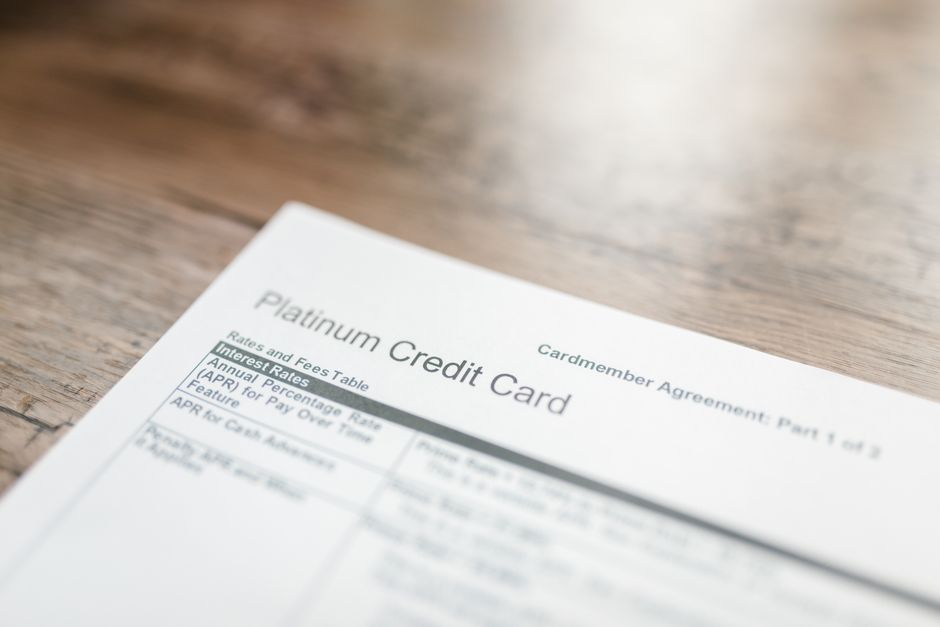
Most business owners stumble onto trade credit by accident. A supplier mentions “net-30 terms” on an invoice, you nod like you understand, and later that night you’re quietly googling it. I’ve had that exact conversation with clients so many times I’ve lost count.
Trade credit is one of the most underused and misunderstood tools available to small businesses. And here’s the thing that makes it different from a bank loan: you don’t need a pitch deck, a pristine credit history, or six months of financial statements to get started.
What Trade Credit Actually Is
Trade credit is simple. A supplier lets you take goods or services now and pay them later. No interest (usually). No formal application. No collateral. The supplier extends you short-term credit because it’s how business gets done.
You’ll see net-30, net-60, and net-90 most often. Net-30 means 30 days from invoice to payment. Net-60 is 60 days. Straightforward. Then there’s “2/10 net-30,” which means 2% off if you pay in 10 days, but the full amount is due by day 30. That early-payment discount deserves real attention (we’ll dig into the math later).
For product businesses buying inventory or contractors paying for materials before clients pay them, this arrangement is what makes taking on work possible instead of turning it down because you’re broke.
Why This Often Beats a Line of Credit
A business line of credit requires an application, a personal guarantee, a hard credit pull, months of bank statements, and interest the second you use it. Trade credit doesn’t.
The U.S. Small Business Administration lists trade credit as one of the most common forms of small business financing specifically because the barrier to entry is so low. A supplier who wants your repeat business is often way more willing to extend terms than a bank that’s never heard of you.
But here’s the catch: trade credit isn’t a replacement for a line of credit when you actually need cash. Trade credit preserves cash you already have. It doesn’t create cash. That’s an important distinction.
How to Actually Get It
Cash Flow Masterclass for Business Owners (Before It's Too Late) · BizMoney Explained on YouTube
You don’t wait for an offer. You ask.
When you’re setting up a new supplier, after the price conversation, say: “Do you offer net-30 terms?” Some will say yes immediately. Others will say yes after you’ve paid a couple invoices on time. A few will ask you to fill out a short credit application, usually just your business name, EIN, maybe a bank reference or two.
If you’re newer in business without much history, start with smaller suppliers before approaching big distributors. I’ve watched clients build solid trade credit profiles in 12 to 18 months just by opening accounts with five or six vendors, paying invoices early or on time, and using those relationships as references when applying for terms elsewhere.
Here’s what most people miss: those payment histories get reported to commercial credit bureaus like Dun & Bradstreet, Experian Business, and Equifax Business. Your DUNS number (free through Dun & Bradstreet) is the foundation of your business credit. Get it before you do anything else. It’s free, takes 10 minutes, and starts your business credit clock.
The 2/10 Net-30 Math Most People Get Wrong
| Payment Term | Timeline | When to Use | Key Consideration |
|---|---|---|---|
| Net-30 | 30 days from invoice | Standard supplier terms | Pay on time to build credit |
| Net-60 | 60 days from invoice | Larger purchases or established relationships | Preserves cash longer |
| Net-90 | 90 days from invoice | Major orders with strong supplier relationships | Maximum cash preservation |
| 2/10 Net-30 | 2% discount if paid in 10 days; full amount due by day 30 | When you have idle cash available | Equals ~36.7% annualized return; avoid if using borrowed funds |
A lot of business owners ignore “2/10 net-30” discounts or take them without thinking. Let’s do the actual math.
You’re getting 2% off to pay 20 days early. Small number, right? Annualized, that’s roughly 36% return on the cash. The formula is: (discount % / (1 - discount %)) x (365 / days between early and full payment). So 2% over 20 days equals about 36.7% annualized.
If you have idle cash sitting around, capturing that discount makes sense almost every time. If cash is tight, stretching to full terms is the right move. The mistake is paying early with borrowed money on a credit card. Then you’re paying high interest to capture a smaller discount. The numbers don’t work.
Talk this through with a CPA or financial advisor for your specific situation. The right answer depends entirely on your cash position and what capital costs you.
Building Trade Credit Intentionally
Most small business owners treat trade credit like an accident waiting to happen. I think it should be one of the first structured things you build.
The IRS small business tax center has guidance on keeping business and personal finances separate. Here’s why it matters for credit: suppliers and lenders look at your business as its own entity. If business and personal money are mixed together, you can’t build a business credit profile that stands alone. Separate checking. Separate EIN. Everything in the business name.
Then it’s systematic: Open accounts with suppliers you already use and ask for terms. Pay every invoice before or on the due date. Add two or three more trade accounts over time. Make sure at least some suppliers report to commercial bureaus. Check your Dun & Bradstreet and Experian Business profiles every six months for errors.
Mike Michalowicz’s Profit First (available on Amazon, note: affiliate link) doesn’t cover trade credit specifically but teaches solid cash management habits that make trade credit work better in practice.
When Trade Credit Goes Wrong
Stretching terms becomes a crisis faster than you think. Paying on day 29 of net-30 is fine. Hitting day 35 because cash is tight means you’re burning a business relationship and your commercial credit profile simultaneously.
I worked with a client who had a $2,200 invoice sitting with a materials supplier she’d used for four years. She let it slip during a slow quarter. The supplier dropped her. She found a new vendor but had to pay cash upfront for six months to rebuild trust and lost all her negotiated pricing. That late payment cost her far more than $2,200.
If you know you’re going to be late, call before the invoice is due. Most vendors will work with you if you communicate. Silence is what they won’t forgive.
Sources & References
- SBA, Managing Business Credit, supports fundamentals of business credit and cash flow management
- Federal Reserve, Small Business Credit Survey, supports data on how small businesses use supplier credit
Photo: RDNE Stock project via Pexels
This article is for general informational purposes only and does not constitute financial, tax, or legal advice. Business finance and tax rules vary by entity type, state, and individual circumstances. Consult a qualified CPA, enrolled agent, or business attorney for advice specific to your situation.
Recommended Resources
Disclosure: As an Amazon Associate, we earn a small commission from qualifying purchases at no extra cost to you. We only recommend products that genuinely support the topics covered in this article.
- Mastering QuickBooks 2025 (~$32), The most comprehensive QuickBooks 2025 guide, covers bookkeeping, payroll, invoicing, tax prep, and cash flow.
- Accounting for Small Business Owners (~$14), Beginner-friendly accounting guide covering basic bookkeeping, financial statements, and managing business taxes.
- QuickBooks Small Business Bookkeeping Guide (~$17), Compact, practical QuickBooks pocket guide, ideal for new business owners setting up accounting for the first time.