 Sarah Johnson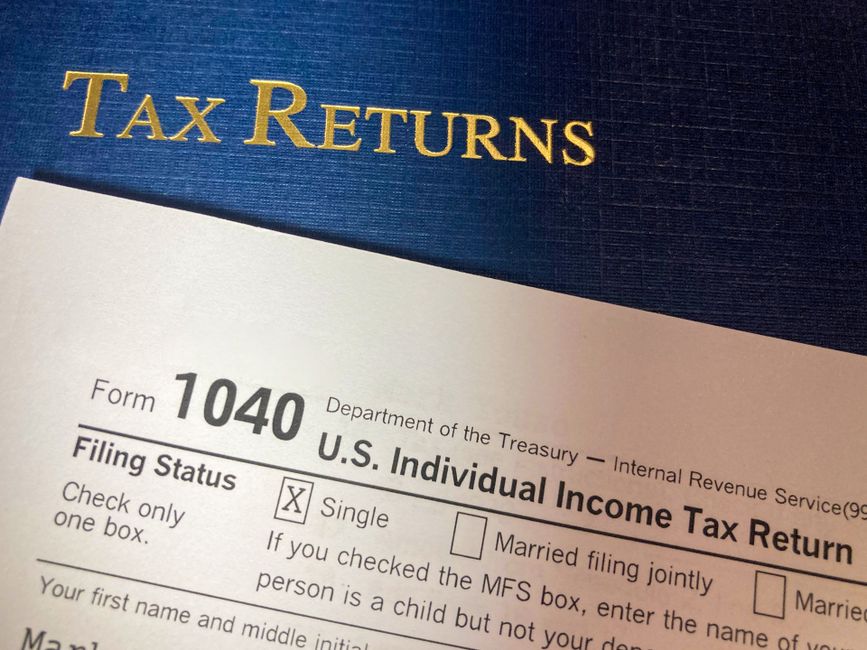
You get to the end of your first real year running your own business, feeling pretty good about what you’ve built, and then tax season arrives with a bill you weren’t expecting. Not just the tax itself, but a penalty on top of it, because you were supposed to be paying as you went. Nobody told you that. Or maybe somebody mentioned it once and it didn’t stick. I’ve seen this exact scenario knock the confidence out of otherwise sharp business owners who had simply never been self-employed before. Quarterly estimated taxes are one of those things the system assumes you already know, and that assumption costs people real money every year.
What Quarterly Estimated Taxes Actually Are
When you work a regular job, your employer withholds income tax and payroll taxes from every paycheck. The IRS gets its money in small, steady installments throughout the year. When you run your own business, nobody does that for you. You are the employer now.
The IRS wants its money on roughly the same schedule regardless. So instead of withholding, the government requires self-employed people and business owners to make estimated tax payments four times a year. These payments cover your federal income tax and your self-employment tax, which is how sole proprietors and single-member LLC owners pay into Social Security and Medicare. State estimated taxes are usually a separate obligation on top of that, depending on where you live.
If your expected tax liability for the year will be $1,000 or more after credits and withholding, you generally have to make estimated payments. That threshold is low enough that most freelancers, consultants, contractors, shop owners, and service providers hit it quickly. The IRS small business tax center at https://www.irs.gov/businesses/small-businesses-self-employed lays out the core requirements, and it’s worth bookmarking if you’re just getting started.
The payments aren’t an extra tax. They’re prepayments of the tax you already owe. Think of it as spreading the bill across the year instead of getting one enormous invoice in April.
The Four Due Dates (and Why They’re Weird)
Most people assume quarterly means every three months on a clean schedule. It doesn’t. The IRS has its own calendar, and the periods are uneven.
| Payment Period | Payment Due Date |
|---|---|
| January 1, March 31 | April 15 |
| April 1, May 31 | June 16 |
| June 1, August 31 | September 15 |
| September 1, December 31 | January 15 (following year) |
Notice that the second quarter only covers two months, not three. That trips up a lot of first-timers who assume Q2 runs through June 30. It doesn’t. Also, if a due date falls on a weekend or federal holiday, it shifts to the next business day, which is why June 15 sometimes becomes June 16.
Miss a deadline and you don’t get a stern letter in the mail right away. What you get is an underpayment penalty calculated at the federal short-term interest rate plus three percentage points, applied to what you should have paid. It’s not catastrophic, but it’s entirely avoidable. The penalty is calculated separately for each quarter, which means even if you pay a big lump sum in Q4, it doesn’t erase the penalty you accumulated by skipping Q1.
How to Calculate What You Owe
Small Business Taxes for Beginners & New LLC Owners · LYFE Accounting on YouTube
This is where people either overcomplicate it or stick their head in the sand. Neither works. Let’s be practical.
The Safe Harbor Method
The IRS won’t penalize you for underpayment if you pay at least as much as you owed last year in total federal income tax. If your prior-year tax liability was, say, $8,000, you pay $2,000 per quarter and you’re protected from penalties, even if your business explodes and your actual bill turns out to be higher. You’ll owe the difference at filing, but there’s no penalty.
One important nuance: if your adjusted gross income last year was above $150,000, you need to pay 110% of last year’s liability, not just 100%. That’s the high-income safe harbor rule.
The safe harbor method works especially well for business owners whose income is hard to predict month to month, which honestly describes most of us.
The Annualized Income Method
If you genuinely expect to owe more than last year, or if your income is lumpy and front-loaded, you can calculate each quarter’s payment based on actual income earned in that period. You’d annualize that income, apply your estimated effective tax rate, and pay accordingly. More accurate, but it requires better bookkeeping throughout the year. IRS Form 2210 handles the documentation if you go this route.
For most small business owners, especially in the first couple years, the safe harbor method is simpler and lets you sleep at night.
Your First Year
If you’re in your first year of self-employment and have no prior-year liability to reference, the safe harbor method doesn’t help since your baseline is zero. In this case, you need to project your net income for the year and apply the appropriate tax rates yourself. Many sole proprietors budget between 25% and 30% of net profit for combined federal income and self-employment taxes. Your actual rate will vary based on your total household income, deductions, and filing status. Run this calculation by a CPA rather than guessing at it.
IRS Form 1040-ES includes a worksheet that walks you through this estimation, and it’s more readable than most IRS documents.
How to Actually Make the Payment
Step 1: Set up an account with IRS Direct Pay or EFTPS. IRS Direct Pay at irs.gov/payments lets you make a one-time payment directly from your bank account with no fees. EFTPS (Electronic Federal Tax Payment System) requires registration but is better for scheduling recurring payments. Either works fine.
Step 2: Know what form to reference. When making estimated payments, you’re paying against your Form 1040-ES for the year. Have your Social Security number or Employer Identification Number ready.
Step 3: Pay before the deadline, not on it. Processing can take a day or two. If you’re mailing a check using the 1040-ES vouchers, the postmark date matters. If you’re paying electronically, give yourself at least one business day of buffer.
Step 4: Record every payment. Keep a simple log with the date, amount, and confirmation number for each payment. Your tax preparer will ask, and you’ll need these figures when you file your annual return. A basic spreadsheet works fine.
Step 5: Don’t forget state estimated taxes. Your state likely has its own quarterly payment system. Search for your state’s department of revenue and find their estimated payment portal. Deadlines often mirror federal due dates but not always.
Staying Organized So You’re Never Scrambling
The business owners I’ve seen handle estimated taxes without stress are the ones who treat tax money as not really theirs from the start.
The simplest system: open a dedicated tax savings account, separate from your operating account. Each time revenue comes in, transfer a percentage into that account immediately. Some owners use 25%, some 30%, depending on their bracket and situation. You’re not guessing at the end of the quarter, because the money’s already there waiting to be sent.
Good bookkeeping is the backbone of this. If you’re tracking income and expenses in real time, you can see your net profit at any point and adjust your savings rate if the business is growing faster than expected. Tools like QuickBooks Self-Employed or Wave (which is free) make this much easier. For owners who prefer hands-on guidance, SCORE offers free mentorship from experienced business people who can help you set up basic financial habits that actually stick.
One thing I always tell new clients: your tax obligation is a function of your success. Paying a large estimated tax bill means you made money. Reframe it that way, and the quarterly ritual becomes a lot less demoralizing.
The quarterly estimated tax system isn’t complicated once you’ve done it a year or two. It becomes routine, like paying rent or invoicing a client. The hard part is the first time, when you’re piecing together rules nobody handed you a manual for. If you’re in that early stage right now, the most useful thing you can do is run a simple projection, open that dedicated savings account, and put the four due dates in your calendar today. Get a CPA involved if the numbers feel murky or your business structure has layers to it. The IRS has no interest in penalizing people who are genuinely trying to get it right, and paying on time is the most reliable way to stay on their good side.
Sources & References
- IRS, Estimated Taxes, Explains who must pay, due dates, and $1,000 threshold
- IRS, Self-Employment Tax, Covers Social Security and Medicare obligations for self-employed
- IRS, Form 1040-ES, Official form and instructions for calculating estimated payments
Photo: Mark Youso via Pexels
This article is for general informational purposes only and does not constitute financial, tax, or legal advice. Business finance and tax rules vary by entity type, state, and individual circumstances. Consult a qualified CPA, enrolled agent, or business attorney for advice specific to your situation.
Recommended Resources
Disclosure: As an Amazon Associate, we earn a small commission from qualifying purchases at no extra cost to you. We only recommend products that genuinely support the topics covered in this article.
- Mastering QuickBooks 2025 (~$32), The most comprehensive QuickBooks 2025 guide, covers bookkeeping, payroll, invoicing, tax prep, and cash flow.
- Accounting for Small Business Owners (~$14), Beginner-friendly accounting guide covering basic bookkeeping, financial statements, and managing business taxes.