 Amanda Pierce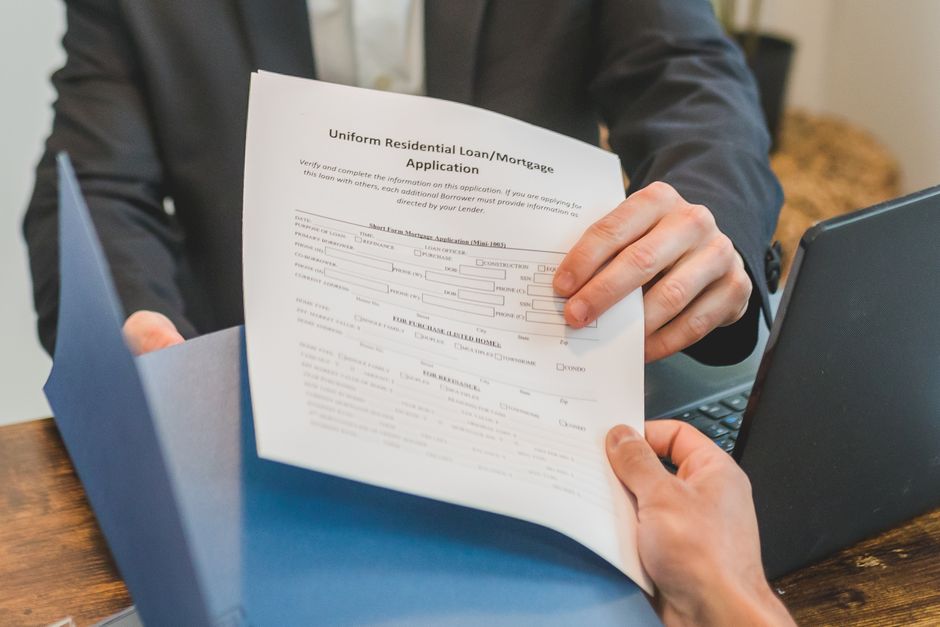
You walk into a bank, ask about a small business loan, and leave two hours later with a stack of paperwork, no clear answers, and a vague sense that you probably won’t qualify. Sound familiar? Most small business owners don’t get turned down because their business is bad. They get rejected because they showed up unprepared, applied to the wrong lender, or didn’t understand what the bank was actually looking for. The good news: this is entirely fixable.
What Lenders Actually Look At (And What They Won’t Tell You)
Banks and lenders aren’t doing you a favor when they approve a loan. They’re making a calculated bet that you’ll pay them back, with interest. That reframes everything about how you should prepare.
Most lenders evaluate small business loan applications using some version of the “Five Cs of Credit”: character, capacity, capital, collateral, and conditions. You’ll see this framework referenced by the U.S. Small Business Administration (SBA), and it’s genuinely useful shorthand for what’s happening when someone reviews your file.
Here’s what each one actually means:
Character is your credit history, both personal and business. A FICO score below 650 will close a lot of doors. Not all of them, but most of the traditional ones. Some online lenders will work with scores in the 580 range, but you’re paying more for that privilege.
Capacity is whether you can actually repay. Lenders obsess over your Debt Service Coverage Ratio (DSCR), which compares your net operating income to your total debt obligations. Traditional banks typically want to see 1.25 or higher. That means for every dollar you owe in loan payments, your business generates $1.25 in net income.
Capital is what you’ve personally put into the business. Skin in the game matters. If you’re asking for $100,000 but have put almost nothing in yourself, that’s a red flag every lender will notice.
Collateral is the asset backstop. Equipment, real estate, inventory. Not every loan requires it, but having it strengthens your application considerably.
Conditions refers to the loan’s purpose, your industry, and the broader economic climate. A restaurant loan application in a recession gets more scrutiny than a manufacturing loan in a growth industry.
Know these five things cold before you walk into any meeting.
The Main Types of Small Business Loans (And When to Use Each)
| Loan Type | Best For | Key Feature | Typical Max Amount |
|---|---|---|---|
| SBA 7(a) | Working capital, equipment, real estate | Partially government-guaranteed; lower rates | Up to $5 million |
| SBA 504 | Major fixed assets, commercial real estate | Longer terms, lower rates | Varies by use |
| Traditional Bank Term Loan | Established businesses with 2+ years history | Fixed term, lump sum disbursement | Varies |
| Business Line of Credit | Cash flow gaps, seasonal needs | Draw as needed; pay interest only on used amount | Varies |
| Equipment Financing | Machinery, vehicles, technology | Equipment serves as collateral | Equipment cost |
| Invoice Financing/Factoring | Urgent cash needs against receivables | Fast funding; higher cost | Based on receivables |
| Microloans | Startups, businesses without traditional credit | Nonprofit lenders and CDFIs | Typically under $50,000 |
Helpful resource: Avery Business Card Binder for Networking is a top-rated option for this. (As an Amazon Associate this site earns from qualifying purchases.)
Not every loan is the right loan. Picking the wrong product can cost you thousands in interest or saddle you with terms your cash flow can’t handle.
SBA Loans are partially guaranteed by the federal government, which reduces risk for lenders and typically results in better terms for you. The SBA 7(a) loan is the most common, available up to $5 million, and covers working capital, equipment, real estate, and more. SBA 504 loans are structured specifically for major fixed assets like commercial real estate or heavy equipment. They take longer to close (often 60 to 90 days) but carry lower interest rates and longer repayment periods. If you qualify, the wait is worth it.
Traditional Bank Term Loans are simple: you borrow a lump sum and repay it over a fixed term with interest. Best for businesses with at least two years of operating history, solid revenue, and decent credit. If you have all three, this can be your cheapest option.
Business Lines of Credit work like a credit card. You get access to a set credit limit, draw from it as needed, and only pay interest on what you use. Perfect for covering cash flow gaps, seasonal inventory, or unexpected expenses. Not ideal for large one-time capital purchases.
Equipment Financing ties the loan to a specific piece of equipment, which serves as collateral. That makes approval easier and rates more competitive. If you’re buying machinery, vehicles, or technology, this is usually the cleanest structure.
Invoice Financing / Factoring lets you borrow against your outstanding receivables. If you have $50,000 in unpaid invoices sitting there while you can’t make payroll, this can be a lifeline. It costs more than traditional lending, but it’s faster and doesn’t always require great credit.
Microloans are small loans (typically under $50,000) offered through nonprofit lenders, community development financial institutions (CDFIs), and SBA intermediaries. Excellent for startups or businesses that don’t yet qualify for traditional financing.
How to Prepare Your Application: A Step-by-Step Approach
How to File Business Taxes for the FIRST TIME! · Karlton Dennis on YouTube
Preparation is where most people lose before the race even starts. Get these things in order before you apply anywhere.
Step 1: Pull your credit reports. Check your personal credit at annualcreditreport.com and your business credit through Dun & Bradstreet, Experian Business, or Equifax Business. Dispute any errors. This alone has saved clients from unnecessary rejections.
Step 2: Get your financial documents organized. You’ll need the last two to three years of business tax returns, two to three years of personal tax returns, recent profit and loss statements (year-to-date), a current balance sheet, and recent bank statements (usually three to six months). Some lenders also want accounts receivable and payable aging reports.
Step 3: Know your number before you ask. Don’t walk in saying “I need some working capital.” Know exactly how much and why. Build a simple projection showing how the loan funds will be used and how the resulting revenue or cost savings will service the debt. A one-page use-of-funds summary goes a long way.
Step 4: Write a business plan or executive summary. Larger loans, especially SBA loans, require a formal business plan. For smaller amounts, a tight two-page executive summary often suffices. Cover your business model, market, competitive position, and financial projections. If you want structure for this, Mike Michalowicz’s Profit First isn’t a business plan book per se, but it reframes how you think about your business finances in a way that makes lenders sit up straighter. (Affiliate link: this site may earn a small commission on purchases.)
Step 5: Research lenders before you apply. Every hard inquiry on your credit can knock a few points off your score. Apply strategically. Start with community banks and credit unions, then SBA-approved lenders, then online lenders if needed. The Consumer Financial Protection Bureau’s small business resources include guidance on understanding loan terms and knowing your rights as a borrower. Worth reading before you sign anything.
Step 6: Apply and follow up. Once you submit, stay responsive. A lender asking for an additional document isn’t bad news. Going silent for a week is. Treat it like a job interview where follow-up matters.
Comparing Your Loan Options
Here’s a quick reference to help you match your situation to the right product:
| Loan Type | Best For | Typical Loan Amount | Speed | Credit Requirement |
|---|---|---|---|---|
| SBA 7(a) | Most business purposes | Up to $5M | 30-90 days | 650+ |
| SBA 504 | Real estate, equipment | Up to $5.5M | 60-90 days | 680+ |
| Bank Term Loan | Established businesses | Varies widely | 2-6 weeks | 680+ |
| Business Line of Credit | Cash flow management | $10K-$500K | 1-4 weeks | 620+ |
| Equipment Financing | Specific equipment | Up to equipment value | 1-2 weeks | 600+ |
| Microloan | Startups, small needs | Up to $50K | 2-4 weeks | Flexible |
| Invoice Financing | B2B with slow-pay clients | Based on receivables | Days | Low emphasis |
| Online Term Loan | Speed, lower qualifications | $5K-$500K | 1-5 days | 550-600+ |
These ranges are general. Your actual terms depend on your specific profile, industry, lender, and loan purpose. A CPA or financial advisor can help you model the true cost of each option before you commit.
When You Get Rejected (And What to Do Next)
Rejection stings. But it’s not a verdict on your business. It’s information.
Ask the lender specifically why you were declined. Many won’t volunteer this, but you can ask. Under the Equal Credit Opportunity Act, commercial lenders are required to provide reasons for denial in certain circumstances. Understanding the “why” tells you exactly what to fix.
Common reasons for rejections: insufficient time in business (less than two years), low personal credit score, weak cash flow, too much existing debt, inadequate collateral, or incomplete documentation.
I’ve seen clients get rejected in January and approved by June simply by paying down a personal credit card, correcting a credit report error, and cleaning up their bookkeeping. Six months of disciplined preparation can flip the result entirely.
If traditional lenders aren’t an option right now, consider CDFIs (Community Development Financial Institutions), which exist to serve underbanked businesses and often have more flexible criteria. The SBA’s website has a CDFI locator tool. Revenue-based financing is another alternative worth exploring if your business has consistent monthly revenue but limited credit history.
One more thing: don’t let cash flow pressure push you into predatory financing. Merchant cash advances (MCAs) can carry effective annual percentage rates north of 100%. They may be your only option in a genuine emergency, but they shouldn’t be a routine financing tool. Read everything carefully, and have a CPA or attorney review any agreement you’re unsure about.
Getting a small business loan isn’t a mysterious process. It’s a preparation game. Know your numbers, understand what lenders are evaluating, match the right loan type to your actual need, and show up with documentation that makes their job easy. The businesses that get funded aren’t always the strongest ones. They’re the most prepared ones. That part is entirely in your control.
Sources & References
- SBA, Fund your business, Covers SBA loan programs and application basics
- CFPB, Small business lending, Consumer protections and lender requirements
Photo: RDNE Stock project via Pexels
This article is for general informational purposes only and does not constitute financial, tax, or legal advice. Business finance and tax rules vary by entity type, state, and individual circumstances. Consult a qualified CPA, enrolled agent, or business attorney for advice specific to your situation.
Recommended Resources
Disclosure: As an Amazon Associate, we earn a small commission from qualifying purchases at no extra cost to you. We only recommend products that genuinely support the topics covered in this article.
- Mastering QuickBooks 2025 (~$32), The most comprehensive QuickBooks 2025 guide, covers bookkeeping, payroll, invoicing, tax prep, and cash flow.
- Accounting for Small Business Owners (~$14), Beginner-friendly accounting guide covering basic bookkeeping, financial statements, and managing business taxes.